
Hand Winches
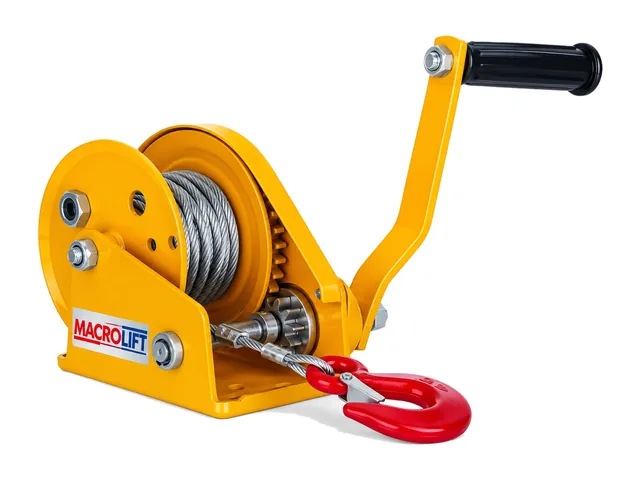
A hand winch is a manual drum winch that pulls loads, and on suitable models lifts them, when you turn the handle, with no power needed. Its gearing lets a small force on the handle move a much heavier load.
We send the model list and current prices for this category on WhatsApp. Tell us the load and the lifting height and we'll pick the right models with you.
Get a Quote on WhatsAppAbout Hand Winches
How does a hand winch work?
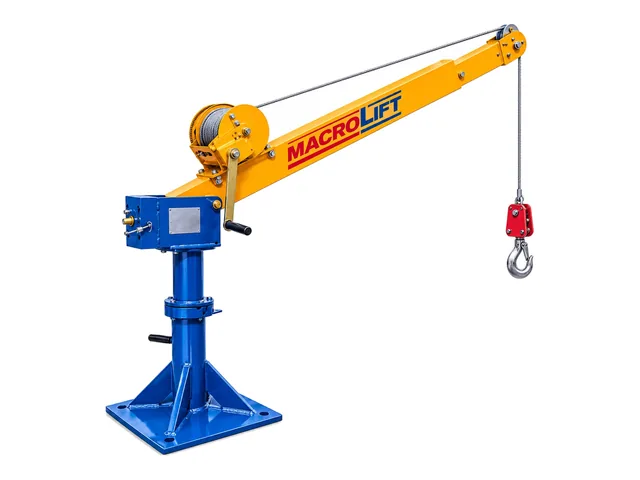
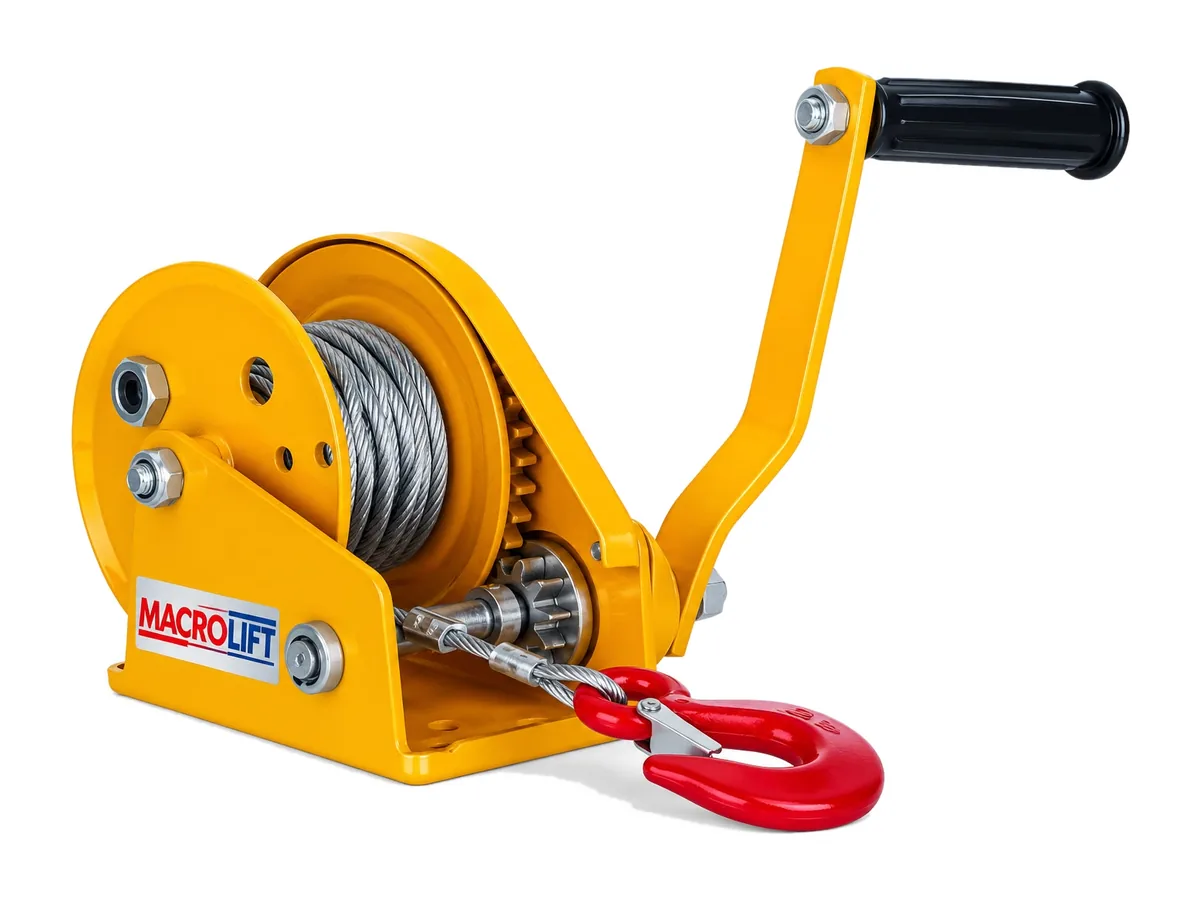
A hand winch is made up of a handle, a gear set, a drum, a steel wire rope and a hook. As you turn the handle, the gears turn the drum and the rope winds onto it. The gear ratio multiplies the force on the handle, so a handle turned with one hand can move a load of several hundred kilograms. This is why hand winches are also known as crank winches, manual winches or hand-operated winches. They need no electricity, so you can use them on building sites, outdoors and anywhere there is no power.
Brake winch or ratchet winch?
This is the most important point when you choose a hand winch.
- Brake winch (automatic brake): When you let go of the handle, the load stays where it is. You lower it in a controlled way by turning the handle back. If a load is to be lifted, use only brake models with a stated lifting capacity.
- Ratchet winch (no brake): The pawl stops the drum turning back, but it does not brake the load while lowering. It is for horizontal pulling, tensioning and positioning work. Do not use it to lift loads.
The same winch has different pulling and lifting capacities. The lifting capacity is usually between half and two thirds of the pulling capacity. If the catalogue gives both values, always go by the lower one for lifting.
Where are they used?
- Boats and trailers: Pulling a boat onto its trailer. A brake winch is used here so the boat does not roll back when you let go of the handle.
- Workshops: Pulling machines and heavy materials and setting them in place.
- Building sites: Pulling materials, and lifting light loads with brake models.
- Tensioning: Tensioning wire fences, tarpaulins and ropes.
- Places with no power: Stores, gardens and outdoor areas with no electricity supply.
What to look for when choosing a hand winch
- Type of work: Will the load be pulled or lifted? If you will lift, a brake model is a must.
- Capacity: For pulling, add an allowance for friction and slope to the weight of the load. For lifting, go by the lifting capacity in the catalogue. Capacity is often given in lbs (pounds): 1,000 lbs is about 450 kg.
- Rope length and diameter: Measure the distance you need. At least three turns of rope must always stay on the drum, so do not pull a load with the rope fully paid out.
- Mounting point: Bolt the winch to a floor or steel plate that is stronger than its capacity.
- How often you use it: If loads are pulled often and over long distances, an electric winch is more efficient. In that case see our ground winches or mini wire rope hoists.
Safe use
- A hand winch is not used to carry or lift people.
- No one should stand under the load or in line with the rope.
- If you cannot turn the handle easily with one hand, the winch is overloaded. Do not force it.
- A hand winch is never turned with a motor or a drill.
- Pull in a straight line at right angles to the drum. A side load strains the body.
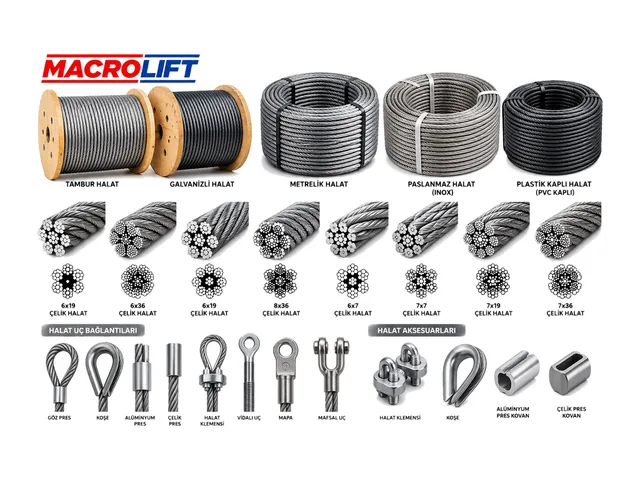
- Replace a crushed or kinked rope, or one with broken wires, straight away. For a spare rope see our wire ropes page.
We have collected the general rules for lifting equipment in our article on hoist safety rules.
Hand winch prices
The price of a hand winch depends on its capacity, whether it is a brake or ratchet model, the rope length and the body design. For current prices and stock, just send us your job and the weight of the load on WhatsApp, and we will suggest the right model.
Frequently asked questions
Can a hand winch be used to lift loads?
Only brake models with a stated lifting capacity, and only within that capacity. Ratchet winches without a brake are for pulling and tensioning work and are not used to lift loads.
How much can a hand winch pull?
It depends on the model. Common hand winches pull from a few hundred kilograms up to 2-3 tonnes. The lifting capacity is about half of that. Just tell us the job and the weight of the load and we will suggest a suitable capacity.
How do you lower a load with a brake winch?
You turn the handle the other way. The automatic brake holds the load at all times, so the load stops where it is when you let go of the handle. Ratchet models without a brake do not brake the load while lowering, so they are not used for lifting.
Should I buy a hand winch or a chain block?
A chain block (manual chain hoist) is a chain lifting device with a brake, made for lifting loads vertically. A hand winch winds a rope onto a drum and is mainly meant for pulling. For lifting a hanging load vertically, a chain block or an electric chain hoist is the better fit. For horizontal pulling, choose a hand winch.
How do you maintain a hand winch?
Grease the gears, the drum shaft and the handle teeth from time to time. Do not lubricate the brake mechanism, because oil makes the brake slip. Check the rope before every use and replace it if it is crushed or has broken wires.
Three details are enough for a quote
The load, the lifting height and the beam length. Send them on WhatsApp or give us a call and we'll come back with a model and a price.