How does a slaughter hoist work?
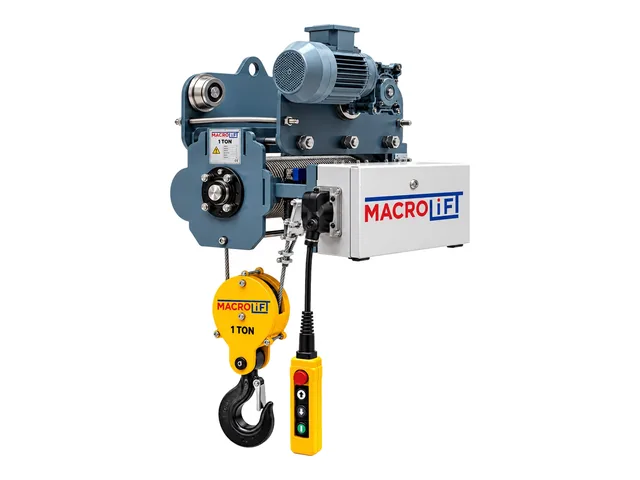
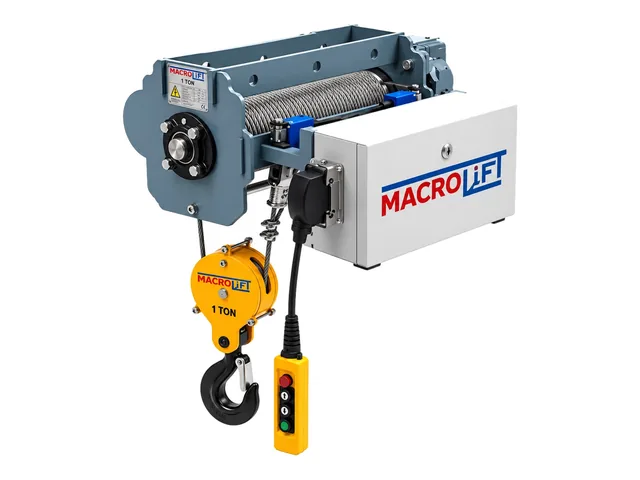
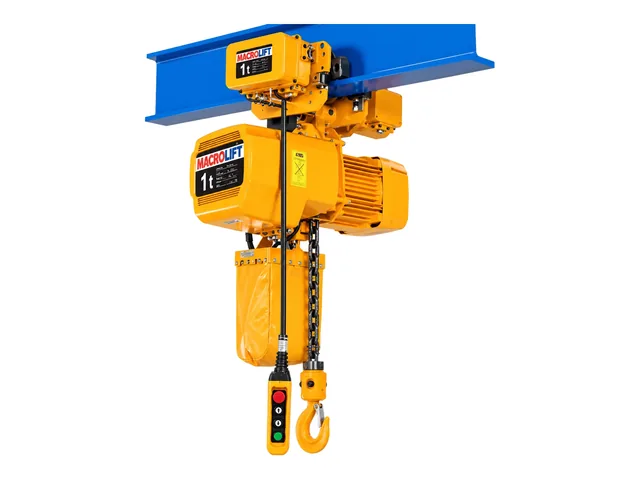
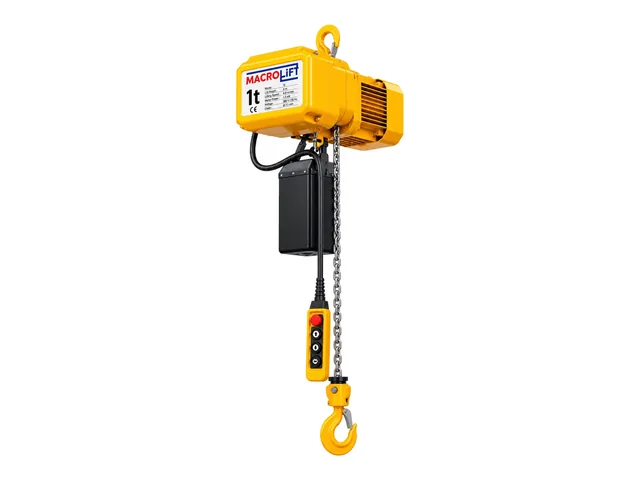
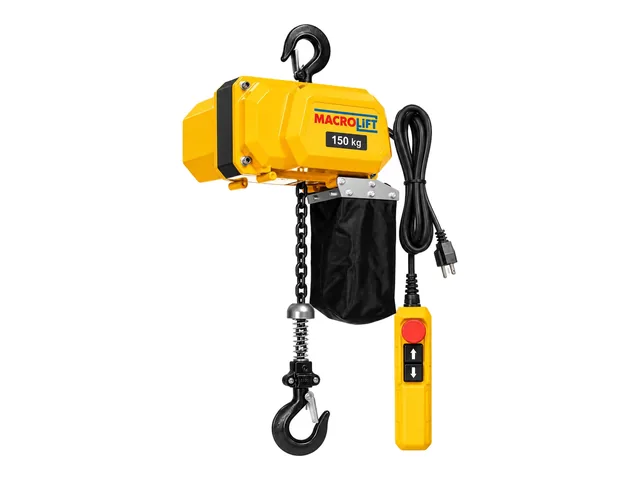
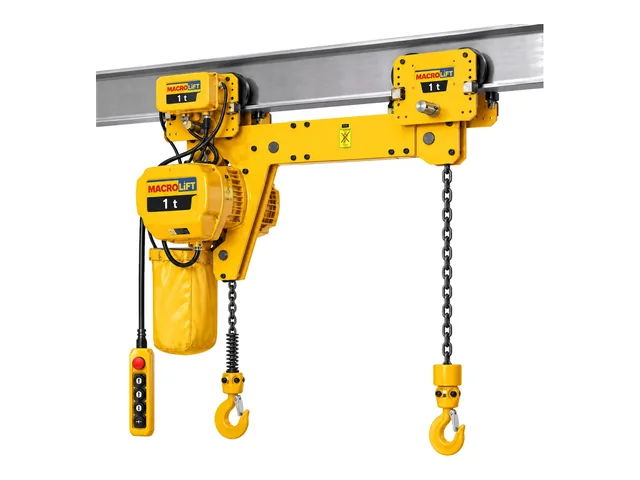
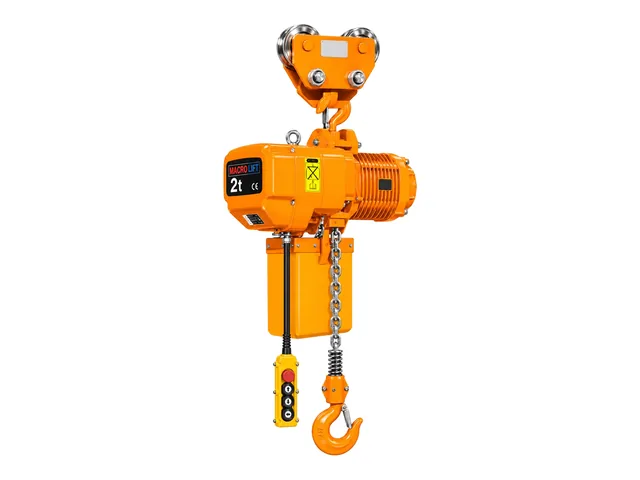
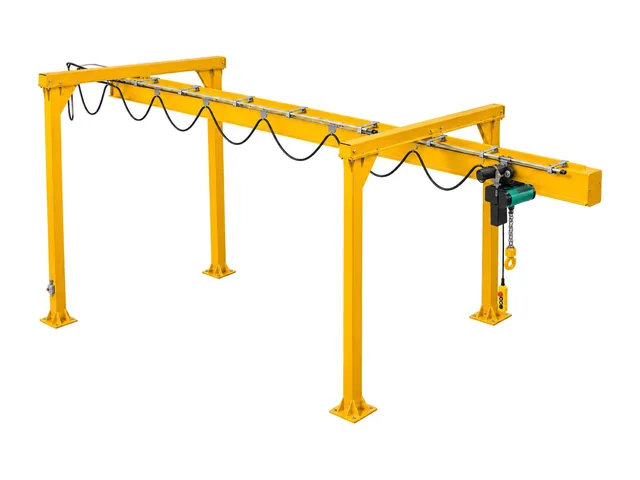
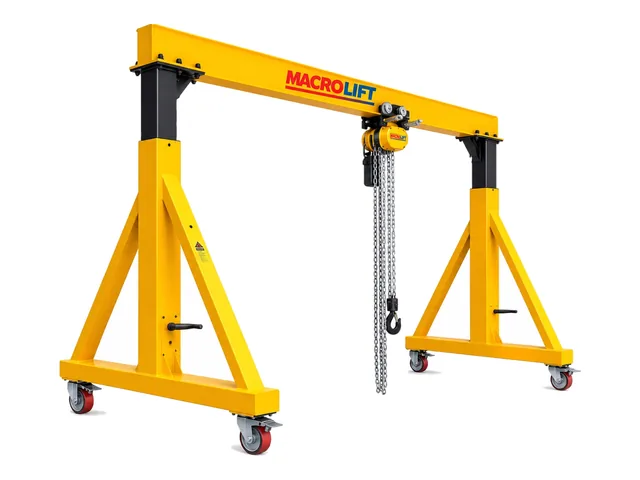
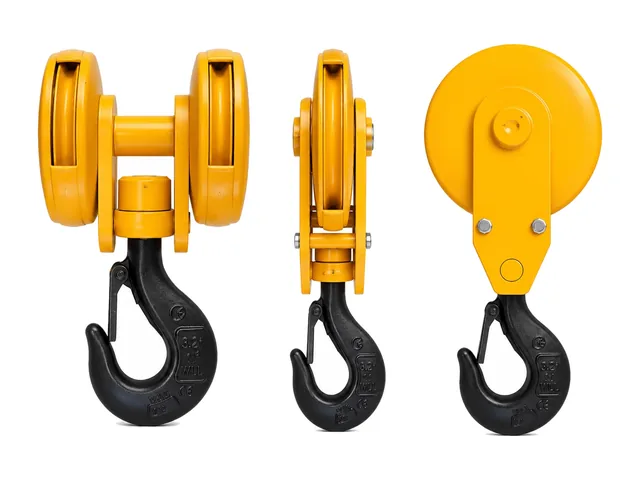
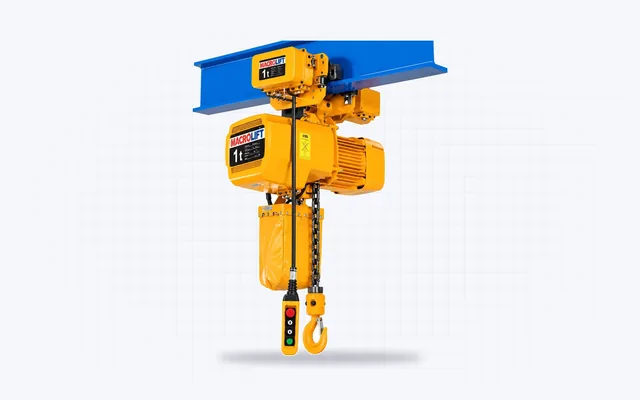
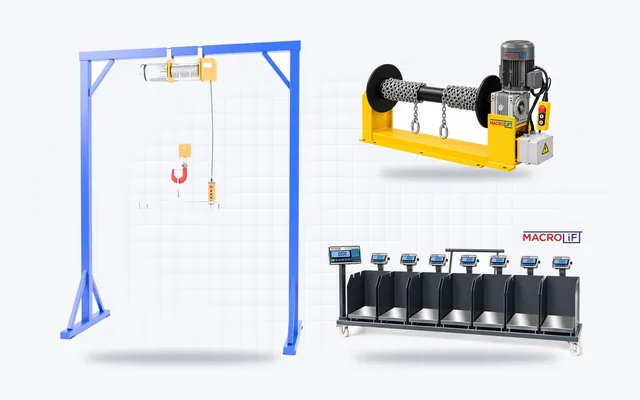
The set has three parts: a two-legged steel frame that stands on the floor, a hoist hung from the top beam of the frame and a hanging bar attached to the hoist hook. After slaughter, the hind legs of the animal are placed on the hooks at both ends of the bar. The hoist is run from its push-button pendant and lifts the animal to working height. Skinning, removing the offal and cutting are all done while the animal is suspended. This equipment is also called a Qurban hoist, a slaughterhouse hoist or a slaughter chain block. Our range includes slaughter hoists and slaughter chain blocks with capacities of 1, 2 and 3 tonnes.
Where is it used?
- Slaughterhouses: Sites that slaughter all year round and work with suspended carcasses as standard.
- Municipal slaughter areas: Temporary slaughter sites set up for Eid al-Adha.
- Associations and foundations: Group Qurban events where many animals are slaughtered one after another.
- Farms and butchers: Small slaughter areas without a suitable ceiling or beam.
How it differs from a gantry crane and other equipment
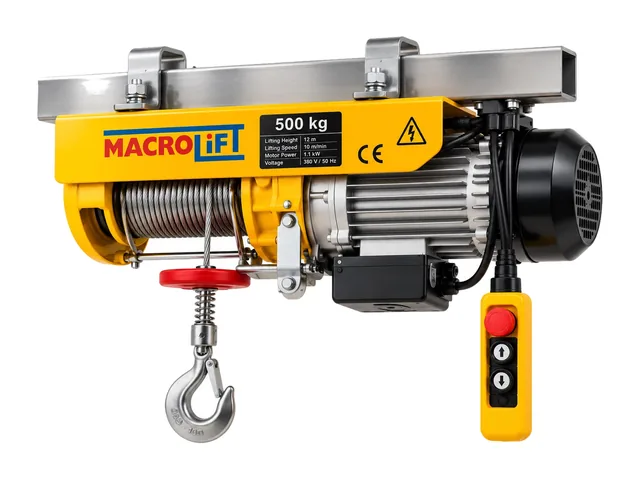
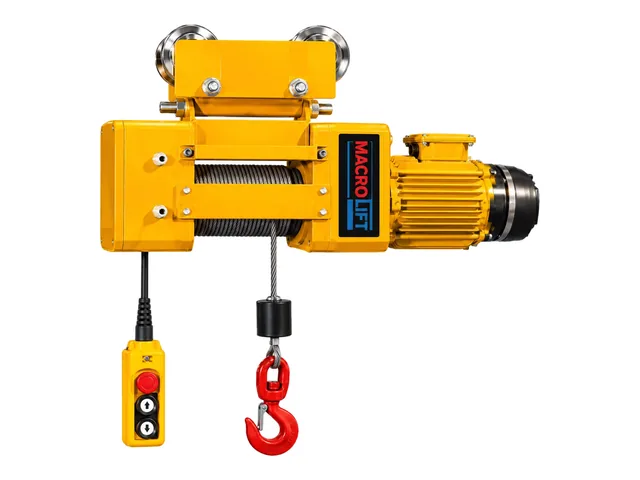
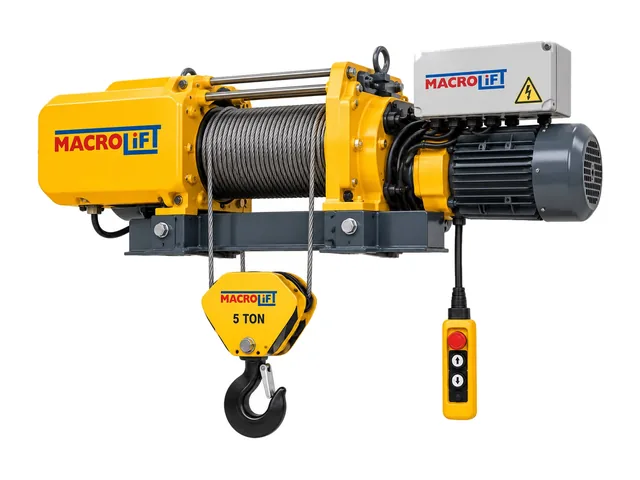
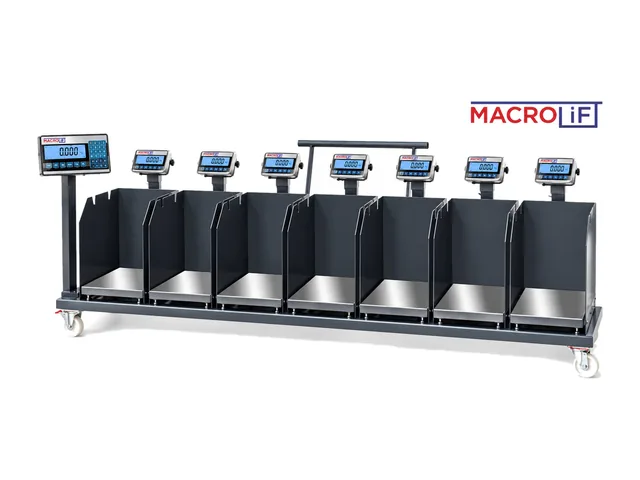
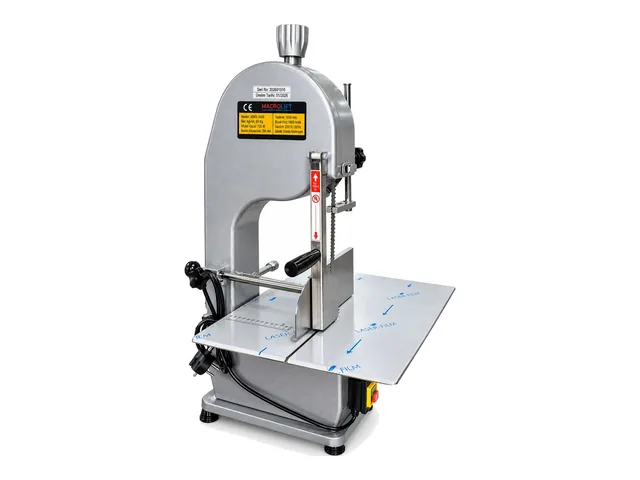
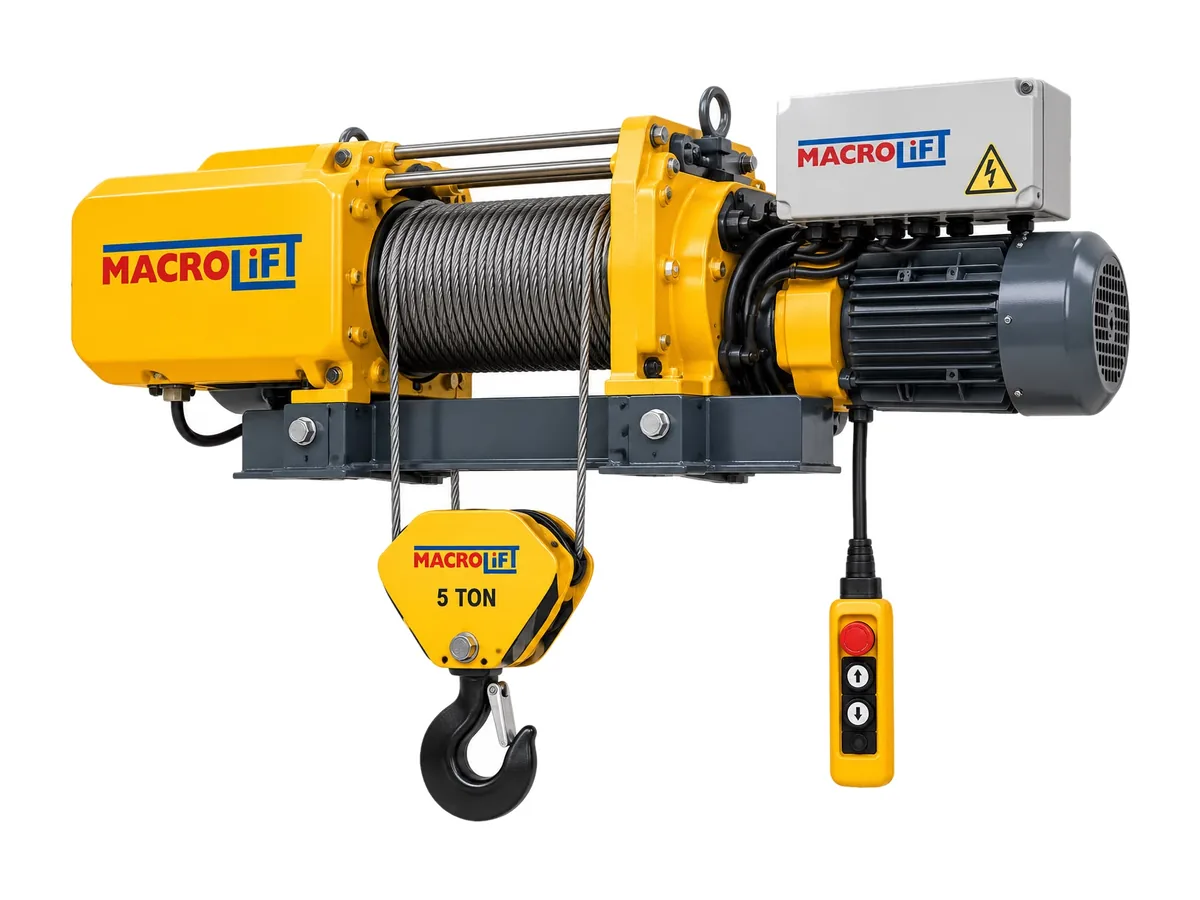
This equipment also works on a free-standing frame, but it is a set prepared for slaughter: the frame height is chosen to suit the hanging length of the animal, and a hanging bar is fitted to the hook. For industrial lifting such as dismantling machines or warehouse work, gantry cranes are more suitable. If the slaughter area already has a strong beam whose load capacity has been checked, you can also hang just a hoist. In that case, see our mini wire rope hoists. The other slaughterhouse equipment does not replace the hoist but completes it: a hide puller pulls the hide off the suspended animal, a bone saw cuts up the meat and a carcass scale divides the meat into equal shares.
What to look for when choosing
- Capacity: The animal is usually lifted whole, so base the capacity on the live weight of the largest animal you will slaughter and leave a margin.
- Height: When a large animal is suspended, its head must be fully off the ground with enough space underneath to work. Choose the frame height and lifting height with this in mind.
- Floor and layout: The frame must stand on level, solid ground, with enough room around it for the slaughter team to work comfortably.
- Power supply: Depending on the model, a 230 V single phase or 400 V three phase supply is needed. Because the floor is wet, the installation must be protected by a residual current device and earthed.
- Hygiene: The hook and hanging parts should resist rust, and the hoist and pendant must be protected from splashing water.
We cover each of these points in detail in our guide on how to choose a slaughter hoist.
Slaughter hoist prices
The main factors that set the price are the capacity, the type and lifting speed of the hoist, the frame dimensions, the lifting height and attachments such as the hanging bar. If you are also planning a hide puller and a carcass scale, the quote is prepared to cover them as well. Just send us the approximate weight of the animals and the dimensions of the slaughter area on WhatsApp.
Safe use and checks before Eid
- Never exceed the value on the capacity label. The weight of the hanging bar counts as part of the load.
- No one stands under or next to the animal while it is lifted or lowered. Skinning and cutting start only once the animal has stopped at working height.
- When the slaughter area is washed, keep water away from the hoist, the pendant and the electrical connections.
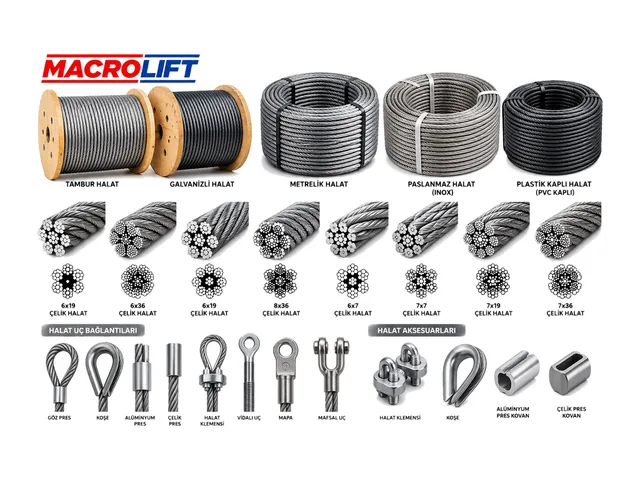
- Check the hook, safety latch, wire rope or chain, brake and pendant visually before each slaughter day.
In Turkey, lifting equipment must by law be inspected by a competent person at least once a year. For the checks and maintenance to arrange before Eid, see our guide on hoist inspection and maintenance.