What is a share scale for?
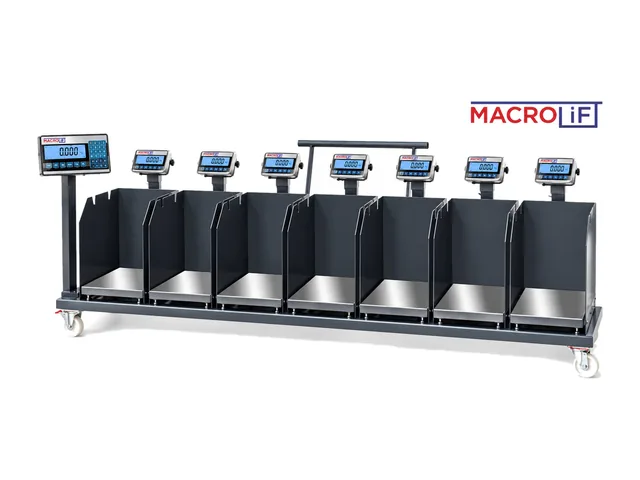
Up to seven people can share one head of cattle for Qurban. The meat of a shared sacrifice is meant to be divided by weight, not by eye. Weighing seven shares one after another on a single scale takes time and easily leads to mix-ups. With a share scale, the butcher spreads the cut meat across the pans and sees the weight of every share on its own display at the same time. Meat is added to a pan that is short and taken from one that is over, so the shares are evened out quickly. This equipment is also known as a share scale or a Qurban share scale.
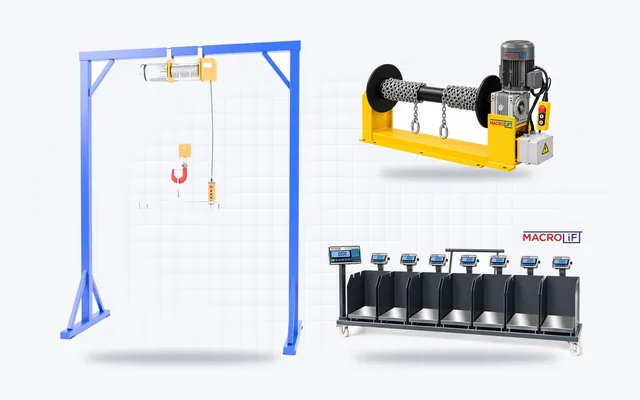
- Frame: A steel stand that carries the pans. Its wheels make it easy to move around the slaughter area.
- Pans: Seven separate weighing compartments side by side. Dividers between them keep the shares from mixing.
- Displays: A separate digital display above each pan shows the weight of that share.
Where is it used?
- Slaughterhouses: Sites that slaughter many cattle for shareholders during Eid.
- Associations and foundations: Organisations that run shared Qurban programmes.
- Municipal slaughter areas: Temporary sites, where the wheeled frame makes moving the scale easy.
- Butchers: Butchers who offer shared Qurban slaughter and meat division.
How it differs from other slaughterhouse equipment
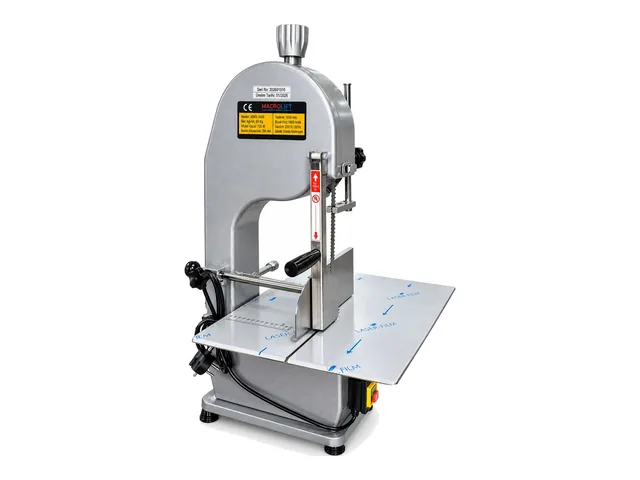
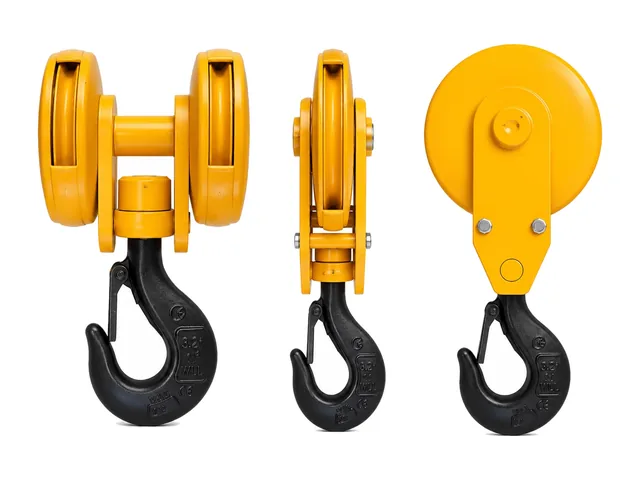
This scale is the last step of the slaughter line. The animal is lifted with a slaughter hoist, skinned with a hide puller and cut up with a bone saw. The scale then weighs the cut meat and shares it out. So these machines do not replace each other, they are different steps of the same line. To plan the slaughter area as a whole, see our guide on choosing a slaughter hoist.
What to look for when choosing
- Pan capacity: The maximum weight each pan can take must comfortably cover the meat for one share.
- Precision: The step size of the display, in grams, decides how finely the meat can be divided.
- Display: Displays that are easy to read in the slaughter area and have a tare button speed up the work.
- Hygiene: Meat goes straight onto the pan, so the surface must be easy to clean. Whether the pan surface is stainless steel varies by model.
- Moisture and water: The slaughter area is wet, so check how well the displays and cables are protected against water.
- Wheels: Lockable wheels stop the stand from moving during weighing.
Legal rules for trade use
If money changes hands based on the weighing result, for example when meat is sold by the kilo, the scale may need to be approved and stamped for trade use and inspected at set intervals. These requirements depend on how the scale is used. Before buying, we recommend checking with the relevant authority or the scale manufacturer which rules apply to your business.
Share scale prices
The main factors that set the price are the number of pans, the capacity and precision of each pan, the display type, the frame and pan material, the wheels and whether the scales are approved for trade use. Just tell us how many shares you work with and where you slaughter on WhatsApp.
Use and cleaning
Place the scale on level ground and lock the wheels. Zero the empty pans before weighing starts. Put the meat down gently instead of dropping it, because impacts can damage the load cells. When cleaning, do not spray water directly onto the displays or electrical connections, and follow the manufacturer's cleaning instructions.