How does a hide puller work?
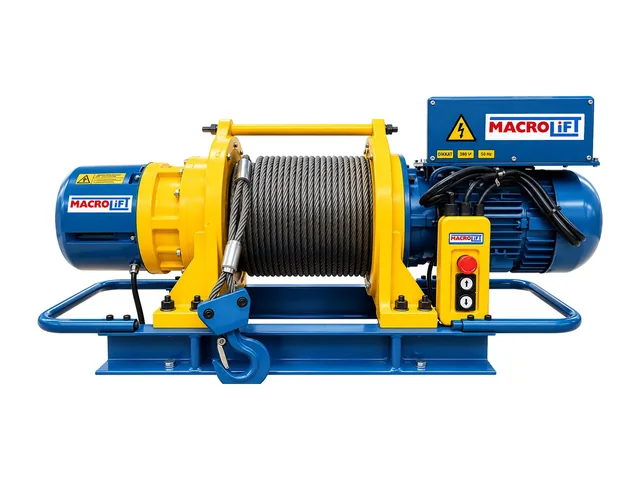
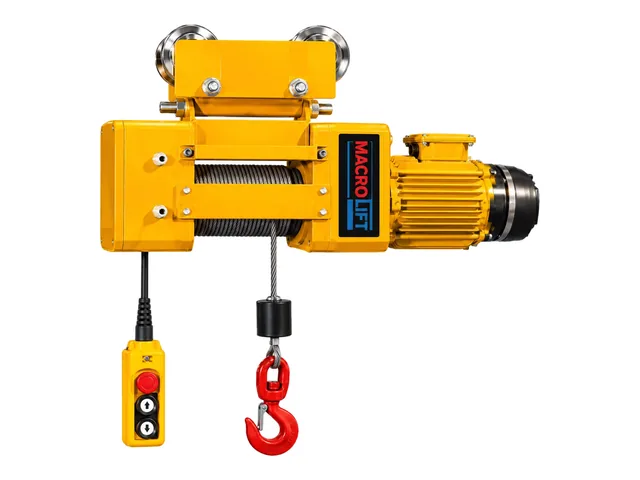
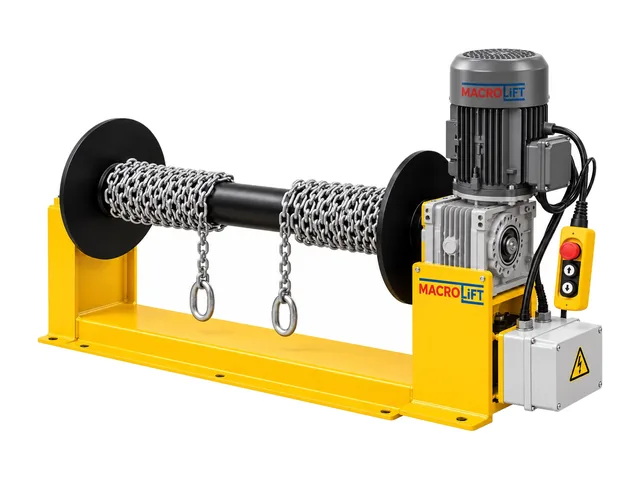
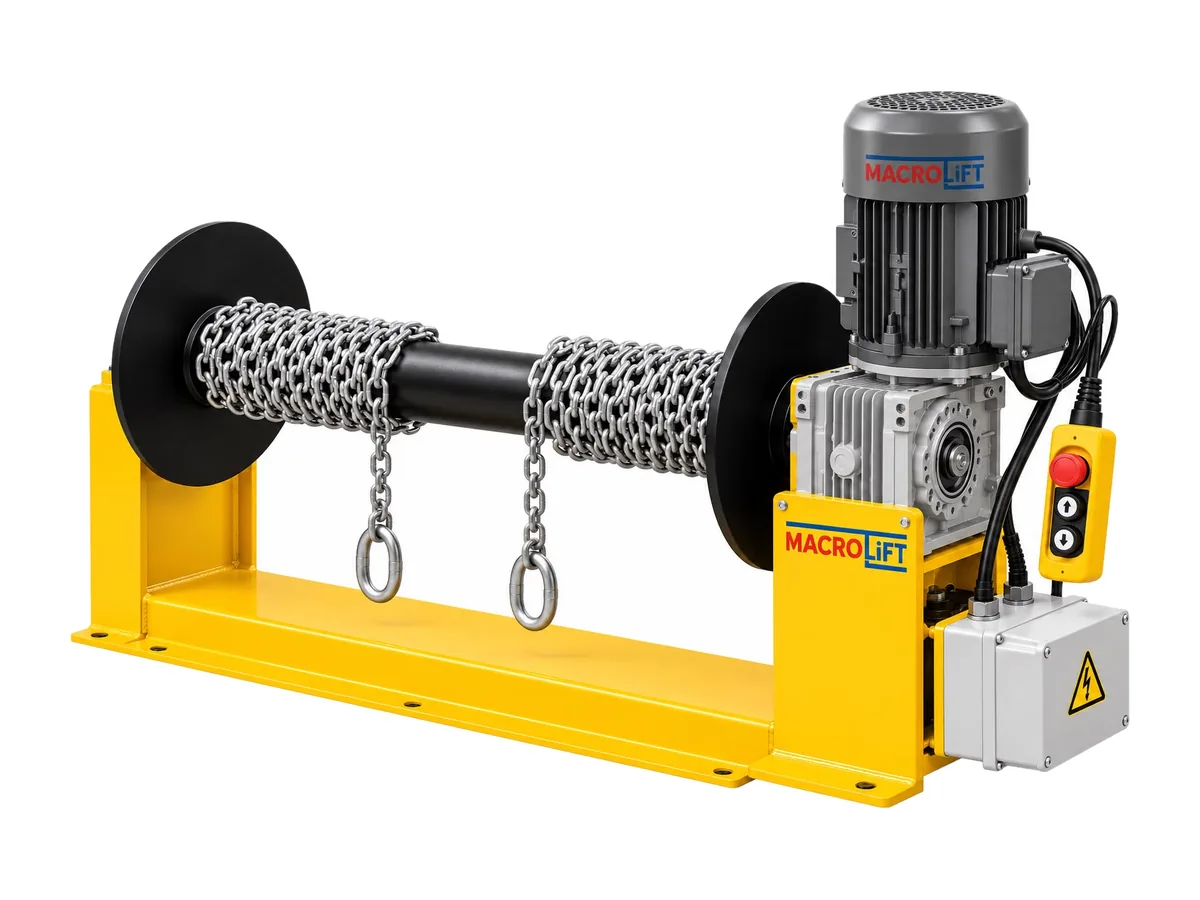
The machine consists of an electric motor, a gearbox and a chain drum mounted on a steel base. First the butcher opens the skin on the legs, belly and chest with a knife. The machine chains are then attached to the loosened edges of the hide. When the motor runs, the gearbox turns the drum slowly, the chains wind onto it and the hide is pulled away from the carcass. The butcher helps with the knife where the hide sticks. The machine is run from a push-button pendant, which usually also has an emergency stop button.
Benefits for the slaughterhouse
- Speed: The long job of skinning with a knife becomes much shorter, so the same team can handle more animals per day.
- Hygiene: Less knife work and less handling of the carcass reduce the risk of contaminating the meat.
- Hide value: The hide is pulled off rather than cut off, so there is less risk of knife cuts and holes. An undamaged hide is worth more.
- Worker health: The butcher only guides the hide instead of pulling it by force, which takes strain off the arms and back.
Workflow after slaughter
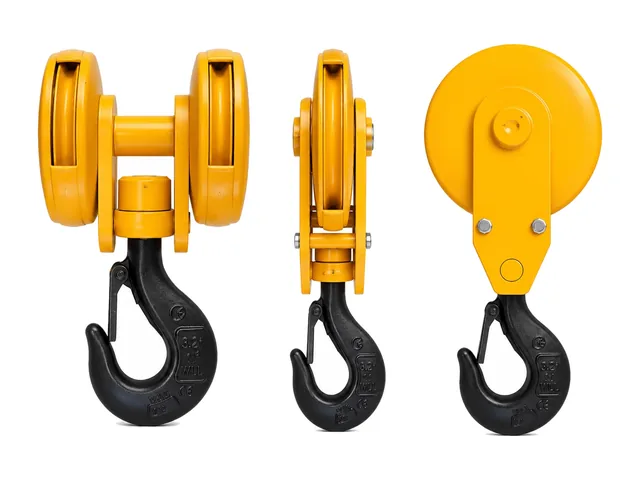
- Suspending: Once slaughter and bleeding are complete, the animal is lifted by its hind legs with a slaughter hoist.
- Pre-skinning: The butcher opens the edges of the hide where the chains will be attached.
- Securing: The forelegs are tied to a fixed point so that the carcass is not pulled towards the machine and does not swing.
- Pulling: The chains are attached to the hide, the machine runs at a controlled speed and the hide is pulled until it comes away.
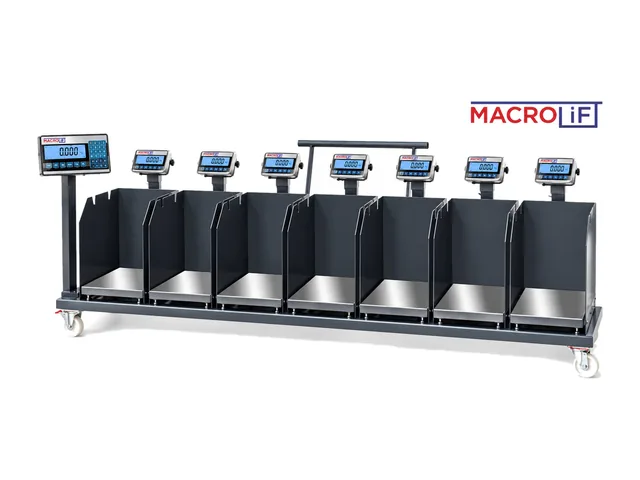
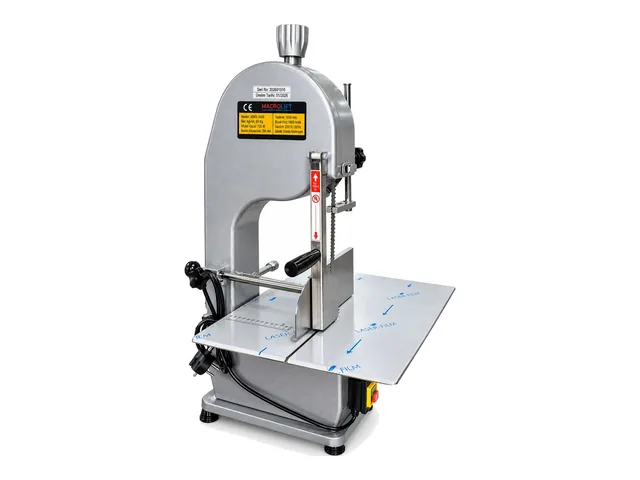
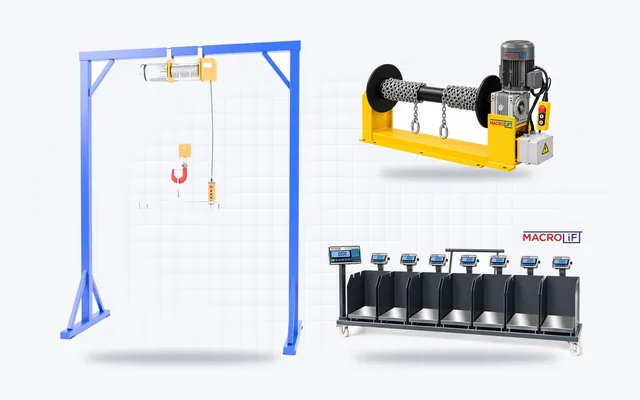
- Next steps: The offal is removed, the carcass is cut up with a bone saw and, for Qurban cattle, the meat is divided into shares on a carcass scale.
In short, the machine works with a carcass that is suspended and secured. The distance between the hoist and the machine and the direction of pull should be decided when the slaughter area is planned.
How it differs from a slaughter hoist
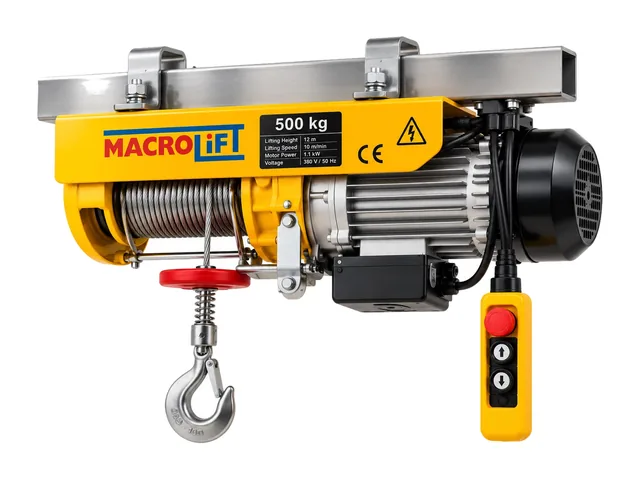
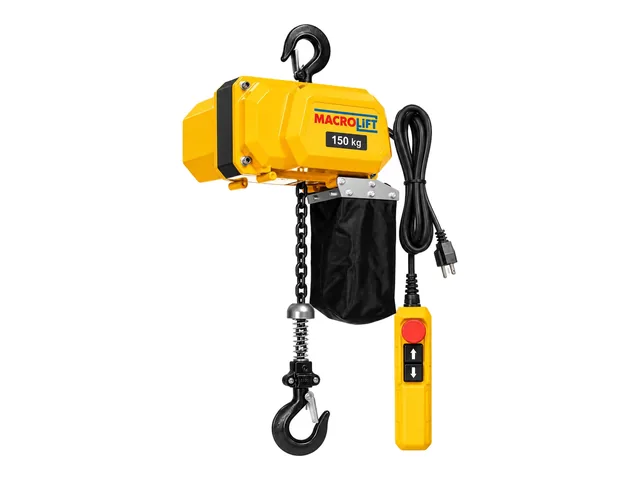
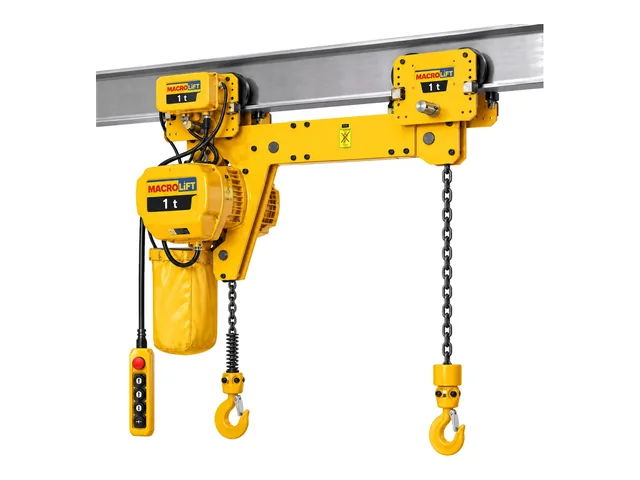
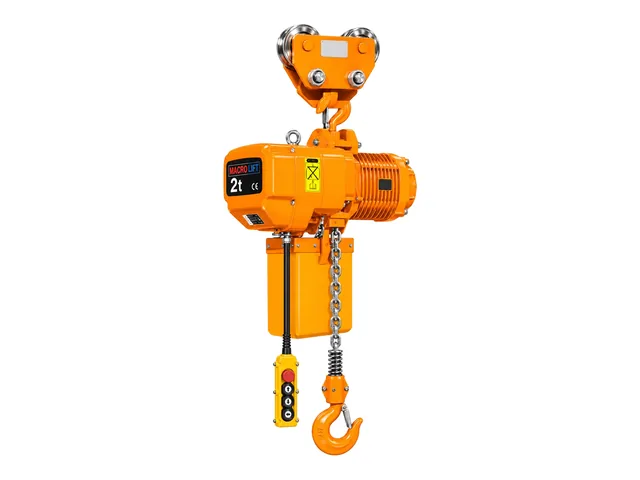
A lifting hoist is built to lift a load straight up. Using a hoist to pull a hide means pulling the load sideways or at an angle, which strains the rope, the brake and the mechanism. This rule is also one of our hoist safety rules. A hide puller, on the other hand, is made only for pulling, and its base, fixed to the floor, takes the pulling force. The two machines do not replace each other but work together.
What to look for when choosing
- Pulling force and speed: The motor power, gear ratio and drum diameter determine how hard and how fast the machine pulls. The values vary by model.
- Power supply: Depending on the model, a 400 V three phase or 230 V single phase supply is needed. Because the floor is wet, the installation must be protected by a residual current device and earthed.
- Layout: You need solid ground to bolt the base to, enough distance between the hoist and the machine, and a clear area along the chain line.
- Environment: The motor, electrical box and pendant should be protected from splashing water, and the base should be easy to clean.
Hide puller prices
The main factors that set the price are the motor power, the gearbox and drum design, the supply type, the chains and fittings, and the pendant equipment. The number of cattle you slaughter per day also points to the right model. Just send us details of your slaughter area and your daily number of animals on WhatsApp.
Safe use and cleaning
- No one stands along the chain line or next to the drum while the machine is running.
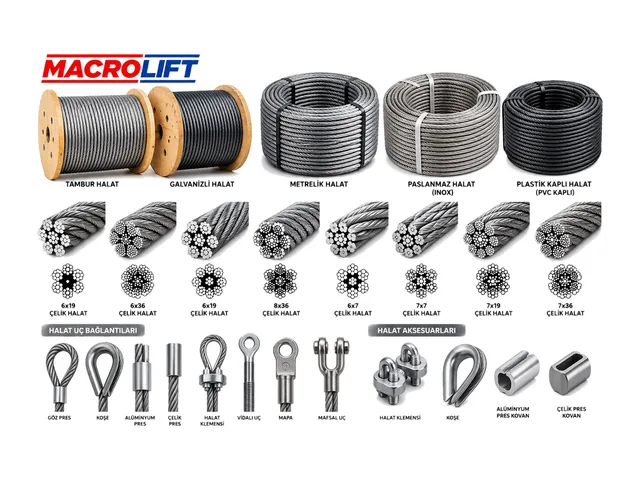
- Check the chains and connecting rings before each use, and replace any worn or opened parts.
- If there is a problem, stop the machine at once with the emergency stop button.
- Switch off the power before cleaning. Do not spray water directly onto the motor or the electrical box.
To plan all the slaughterhouse equipment together, see our guide on choosing a slaughter hoist.