How does a bone saw work?
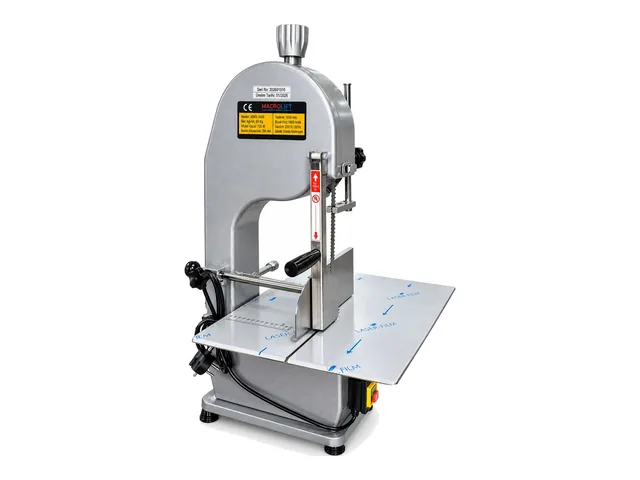
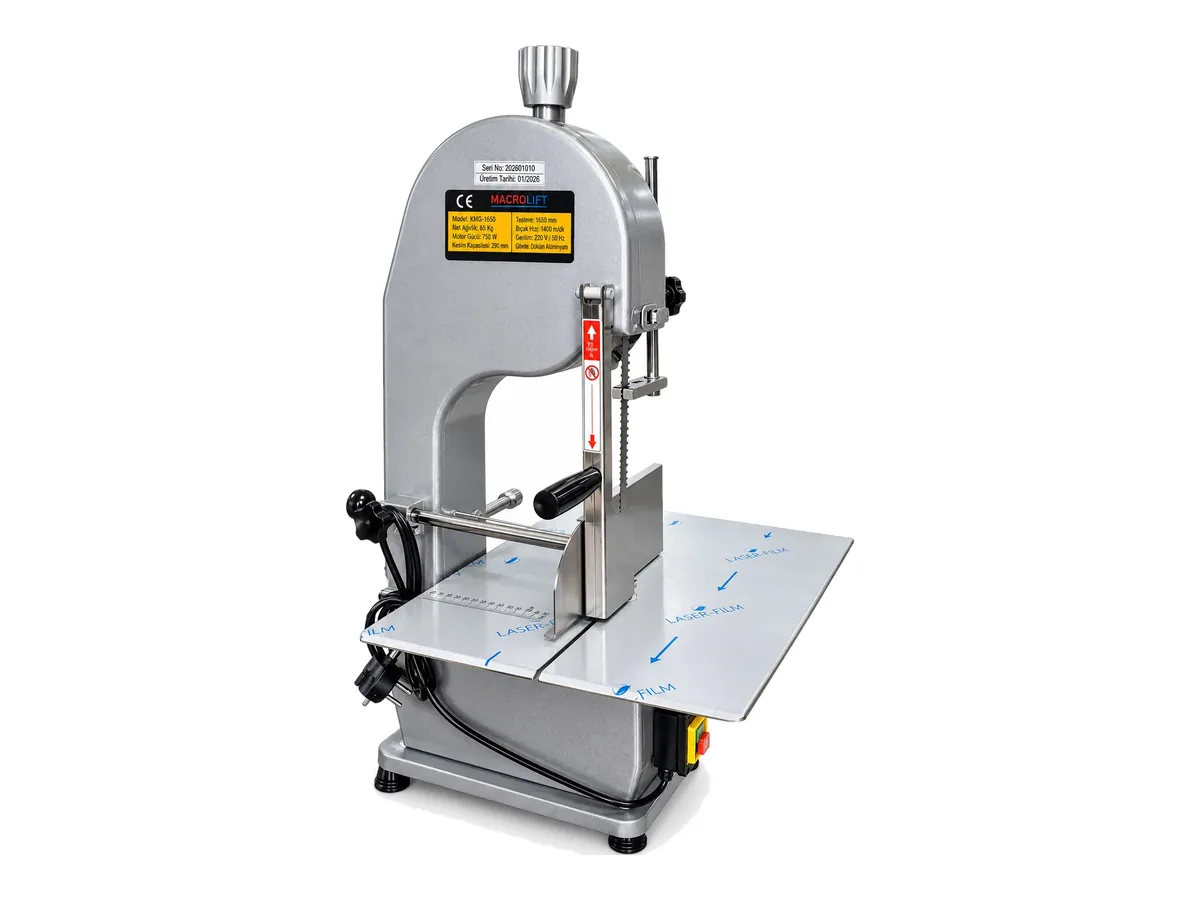
The body of the machine holds two wheels, one at the bottom and one at the top. An endless band saw blade, with its ends joined, is tensioned around these wheels. The motor turns the lower wheel, and the blade moves downwards through the middle of the table as it cuts. The meat is pushed across the table towards the blade, and the thickness of the cut is set with the gauge plate on the table. These machines are also called meat and bone saws, meat band saws or butcher band saws.
Where is it used?
- Butchers: Chops, bone-in legs, shanks and other bone-in portions.
- Slaughterhouses: Dividing the large cuts taken from the carcass.
- Meat processing plants and supermarket counters: Regular portions of even thickness.
- Frozen products: Cutting blocks of frozen meat and fish.
How it differs from other slaughterhouse equipment
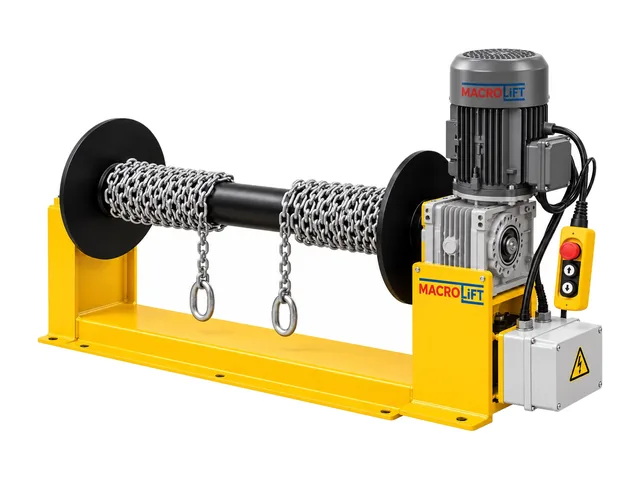
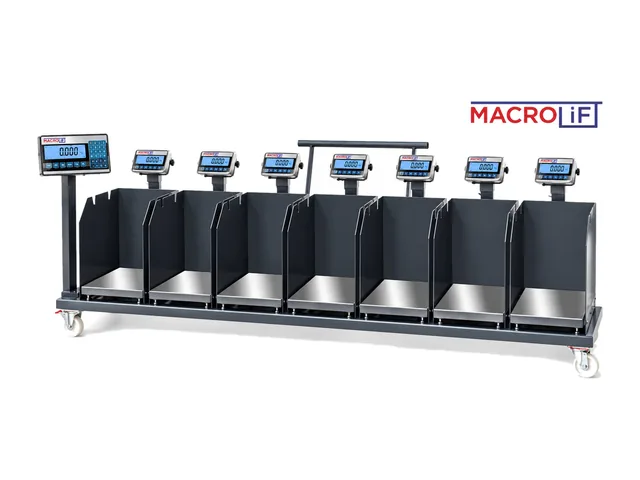
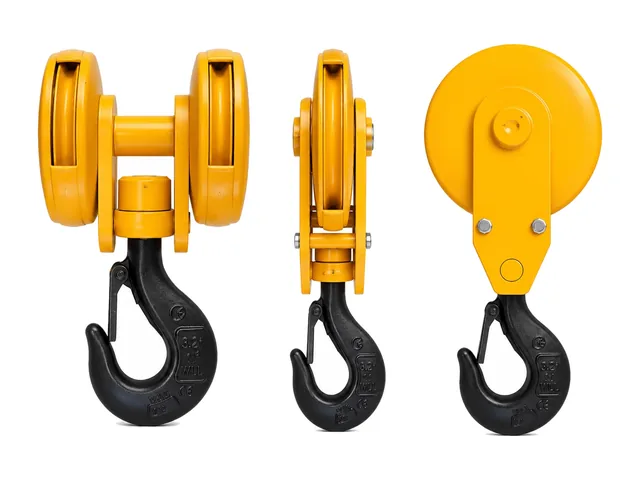
In the slaughter line, the saw comes in after skinning. The animal is lifted with a slaughter hoist and skinned with a hide puller. The saw then divides the cuts taken from the carcass and the bone-in meat. When cattle are sacrificed for Qurban, the cut meat is then shared out equally on a carcass scale. Compared with chopping by cleaver, a saw gives a neater and more even cut. To plan the whole slaughter area, see our guide on choosing a slaughter hoist.
What to look for when choosing
- Cutting height: The tallest piece that fits under the blade guide. Choose it for the largest piece you cut.
- Cutting width: The distance between the blade and the body of the machine. It decides whether wide pieces will fit.
- Table: The table size, and whether there is a sliding table, decide how easily large and heavy pieces can be fed.
- Motor power and supply: How hard the product is and how much you cut per day decide the motor power you need. Depending on the model, a 230 V single phase or 400 V three phase supply is needed.
- Blade: The blade length is specific to each model. Being able to find spare blades easily keeps the work going.
- Body and hygiene: The body can be stainless steel or aluminium. Check that the parts in contact with meat are easy to remove and clean.
Safety equipment and safe use
- Blade guard: The blade is covered outside the cutting zone. The upper guide and guard are lowered to the height of the piece being cut, so only as much blade as needed is exposed.
- Pusher plate: When cutting short or small pieces, the meat is fed to the blade with the pusher plate, not by hand.
- Emergency stop: Stops the machine at once if there is a problem. Everyone who uses the machine must know where it is.
- Covers: The machine is run only with the wheel covers closed.
Never reach in front of the blade. Only people trained to use the machine should operate it.
Cleaning and maintenance
Unplug the machine before cleaning. Release the blade tension and remove the blade, then clear meat and bone residue from the wheels, scrapers and table. Wash the parts with a suitable cleaning agent, rinse and dry them. Replace a blade that is blunt or cracked, and set the blade tension as the manufacturer instructs.
Bone saw prices
The main factors that set the price are the cutting height and table size, the motor power and supply type, the body material, extras such as a sliding table, and whether the machine is a benchtop or floor-standing model. Just send us what you cut and the size of your largest piece on WhatsApp.