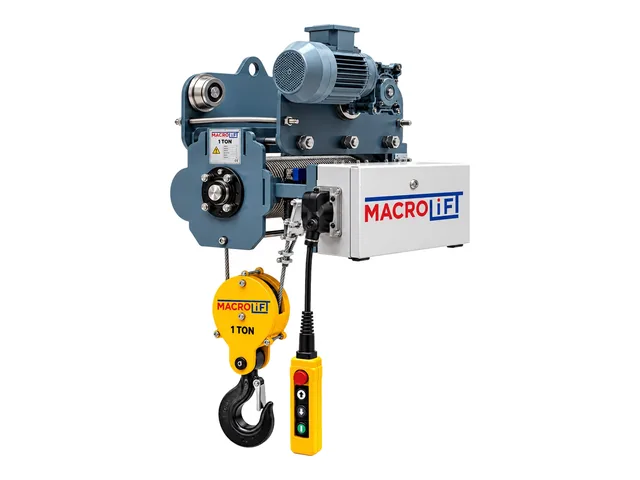
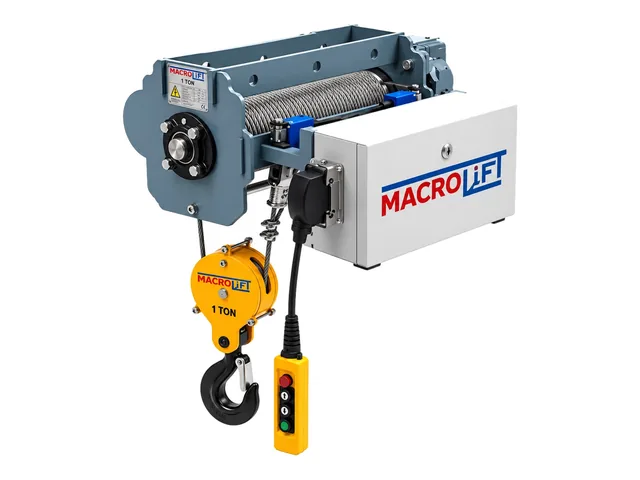
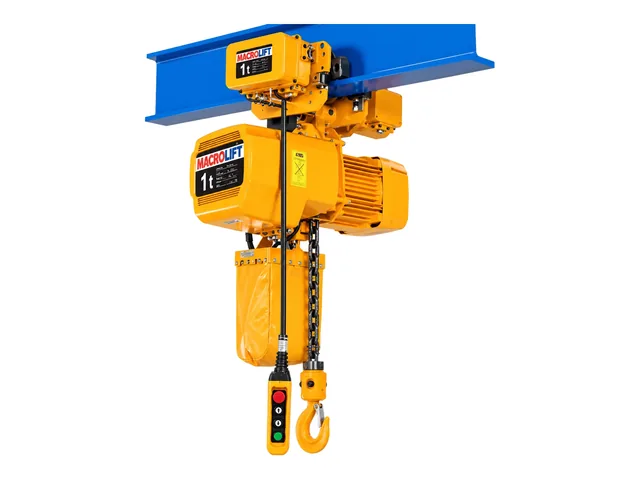
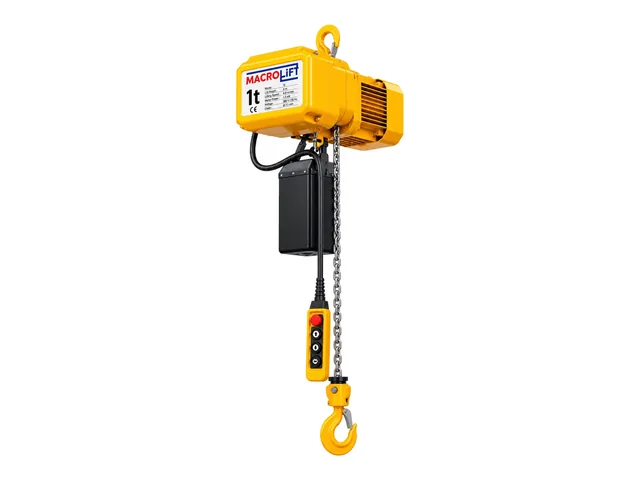
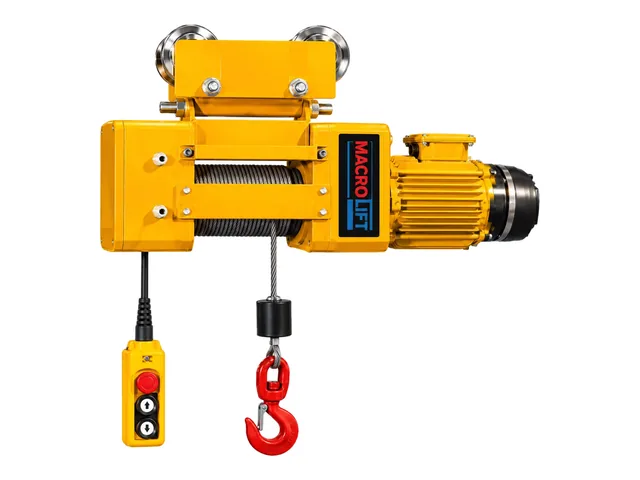
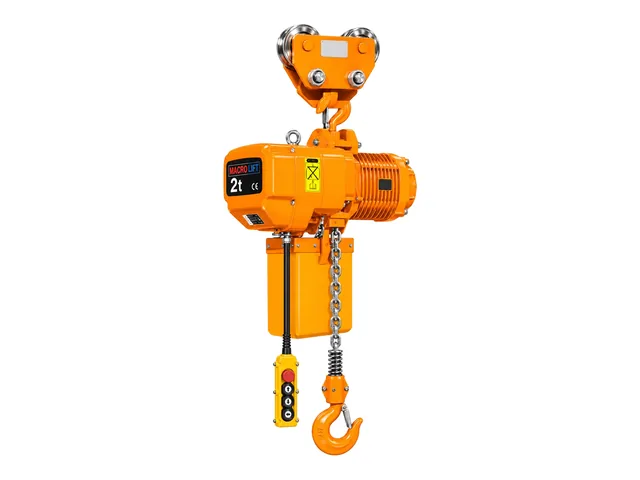
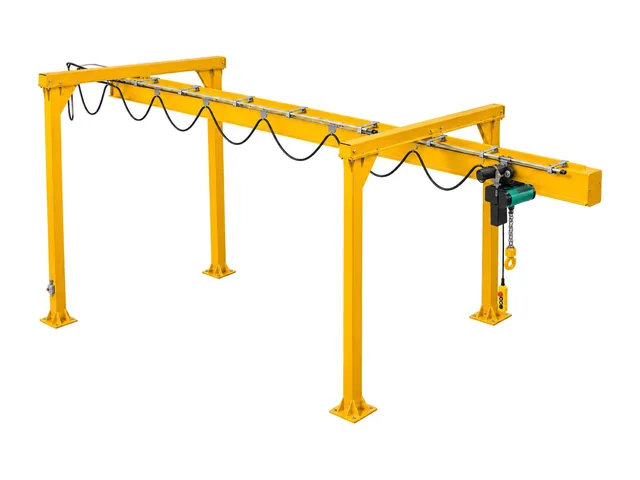
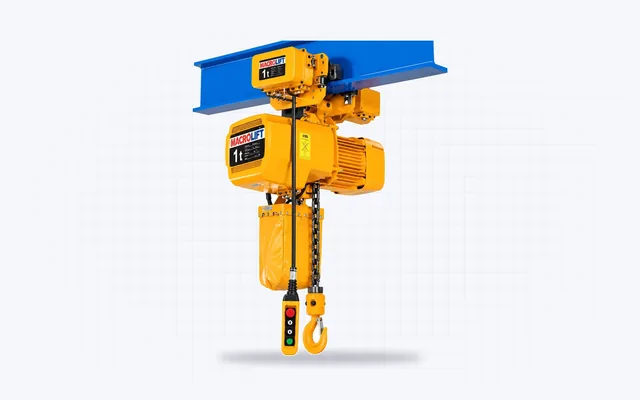
A periodic hoist inspection is an examination of a hoist, carried out at set intervals by an authorised person, to check that it works safely. In Turkey, lifting equipment, monorail hoists included, must by law have a periodic inspection at least once a year. Maintenance is the regular work that keeps the hoist in good condition between these inspections.
In this article we explain what the regulation requires, who can carry out the inspection, how the load test works and which points the operator should check every day, with a checklist.
What does the regulation say?
The legal basis is the Regulation on Health and Safety Requirements for the Use of Work Equipment (İş Ekipmanlarının Kullanımında Sağlık ve Güvenlik Şartları Yönetmeliği, Official Gazette 25.04.2013, no. 28628), issued under Turkey's Occupational Health and Safety Law No. 6331. The "Lifting and Conveying Equipment" item in Annex III of the regulation sets the periodic inspection intervals and the standards to be followed during inspection.
- For lifting and conveying equipment, the periodic inspection interval is no more than one year, unless a standard or the manufacturer's instructions give a shorter period.
- The hoist must also be inspected after installation and before it is used for the first time.
- An inspection is also needed after anything that could affect the hoist's safety, such as a repair, an accident or a long period out of use.
- The inspection results are recorded in a report, which is kept at the workplace.
So installing a monorail hoist and then using it for years without inspection is both dangerous and against the law. After a workplace accident, the periodic inspection report is one of the first documents you will be asked for.
Who carries out the periodic inspection?
The inspection is carried out by the authorised persons defined in the regulation: mechanical engineers, technical teachers who graduated in mechanical or metal education, and mechanical technicians and higher technicians. On electric hoists, authorised persons from the electrical field also take part to inspect the electrical installation. The inspection is usually done by accredited inspection bodies or by authorised engineers in this field.
What happens during the inspection?
- Document check: The hoist's rating plate details, capacity, user manual and previous inspection reports.
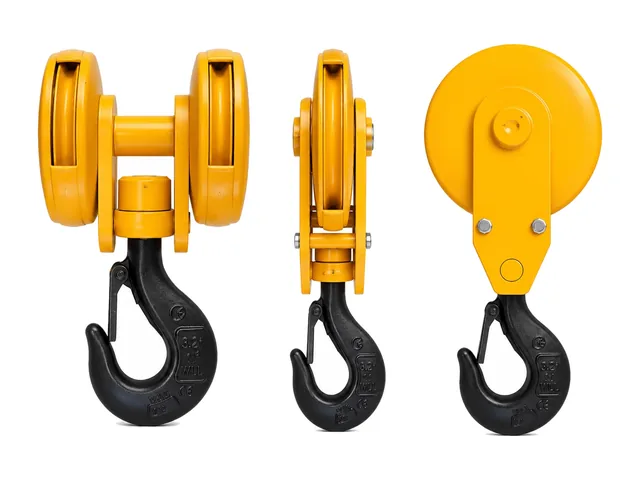
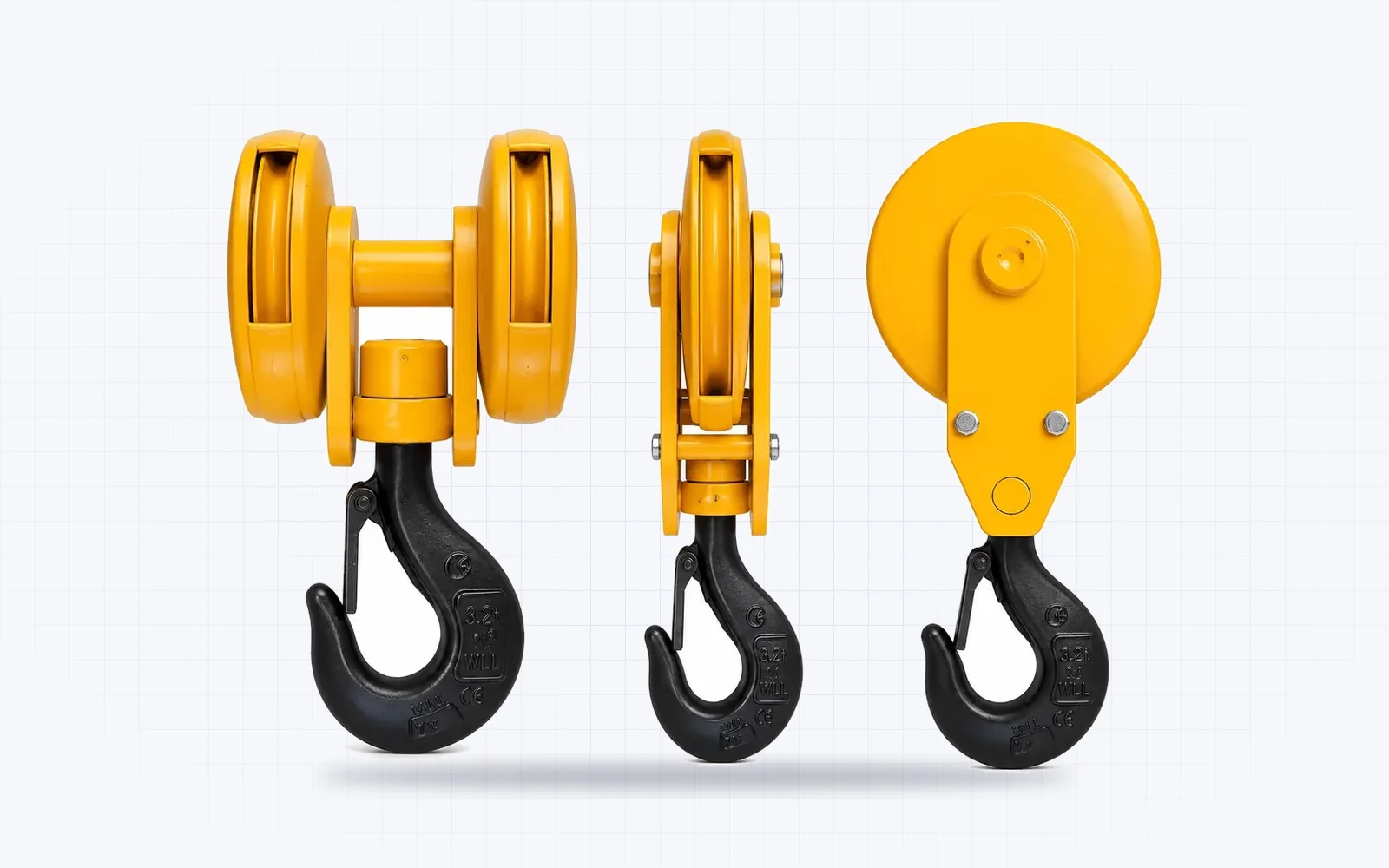
- Visual inspection: Hook, safety latch, chain or wire rope, drum, sheaves, trolley wheels, beam and hanger connections.
- Function tests: Lifting, lowering, travel, emergency stop, upper and lower limit switches and brake.
- Load tests: For hoists, the static test load is usually at least 1.25 times the rated load and the dynamic test load at least 1.1 times. In the static test the load is left hanging for a short time. In the dynamic test every movement is made with the load.
- Electrical checks: Earthing, insulation, the pendant cable and connections.
Any non-conformity found is written into the report, and the hoist should not be used until it has been put right.
Operator's daily checklist
The periodic inspection is done once a year, but most faults can be caught early with a quick daily check. The person who will use the hoist should look at the following at the start of every shift:
| Check | What to look for |
|---|
| Hook | Cracks, a widened throat, and the safety latch in place and working |
| Chain or wire rope | Bending, crushing, wear, broken wires, rust, knots |
| Brake | No slipping while the load is held in the air |
| Limit switches | The hook should stop automatically at its highest and lowest points |
| Pendant | Buttons work in the right direction, the emergency stop cuts all movement, the cable is undamaged |
| Noise and smell | No unusual noise, vibration or burning smell |
| Beam and end stops | End stops in place, no visible bending of the beam and no loose connections |
If you find any problem, do not use the hoist. Hang a "faulty, do not use" tag on the pendant and tell the person in charge.
Regular maintenance: monthly and yearly tasks
Maintenance intervals depend on how heavily the hoist is used and on the manufacturer's instructions. In general, these tasks should be done regularly:
- Chain: Cleaning and lubrication, and measuring elongation and wear. A chain that is past the manufacturer's limit is replaced.
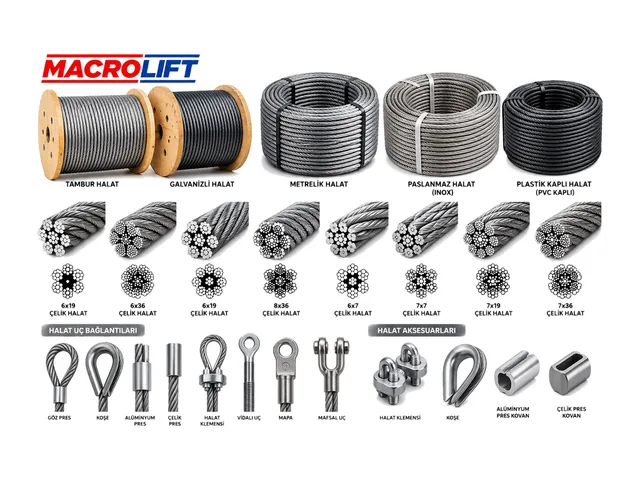
- Wire rope: Lubrication, checking for broken wires, checking the diameter, and checking that the rope winds evenly on the drum.
- Brake: Checking the brake gap and lining wear, and adjusting it if needed.
- Electrics: Contactors, terminal connections, the pendant cable and plugs.
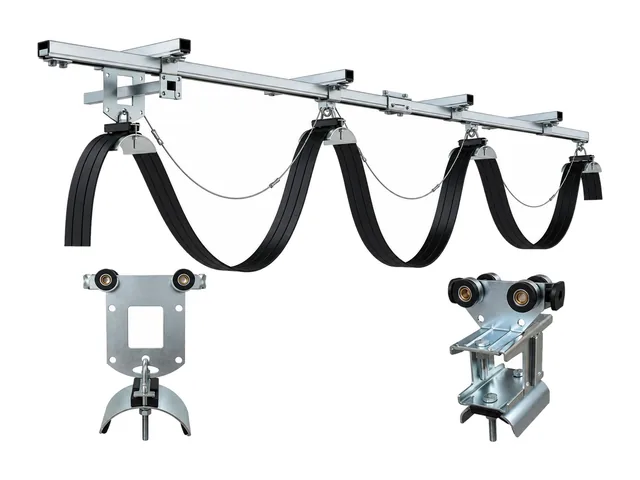
- Trolley and beam: Wheel wear, bearings, and the tightness of the bolts at the hangers and beam joints.
- Gearbox: Oil level and leak check.
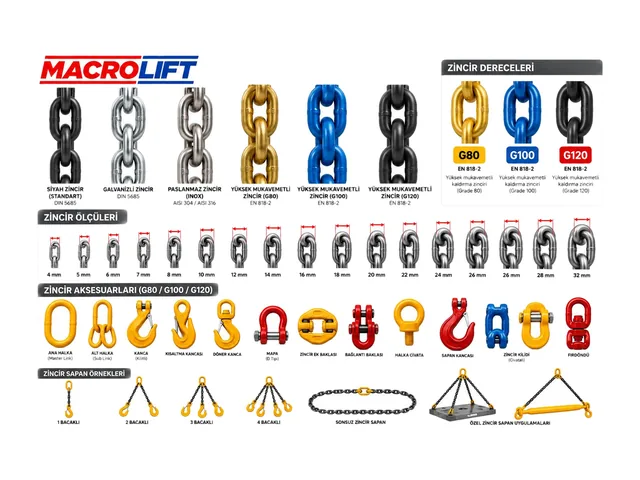
Parts replaced during maintenance should be original or of equivalent quality. We supply chains, wire ropes, hooks, brakes, contactors, pendants and similar parts from stock as part of our service and spare parts support. You can also browse our pages for spare hoist chains, wire ropes and crane hooks.
Common fault symptoms
- The load slowly creeps down in the air: The brake may be worn or out of adjustment. Take the hoist out of use straight away.
- The chain clicks or skips: The chain may be worn, bent or not lubricated.
- The motor gets very hot: The hoist may be working above its duty class, or a phase may be missing.
- The pendant works in reverse: The phase sequence may have changed. In that case the limit switches will not work correctly either, which is very dangerous.
- The trolley snags as it travels: There may be a step at the beam joints, worn wheels or a foreign object.
If you see any of these signs, stop the hoist without forcing it and call for service. For safe use, see also our article on hoist safety rules.
Why does a well-maintained hoist cost less?
Regular maintenance stops a problem that a small brake adjustment would fix from turning into a motor or gearbox failure. When a hoist on a production line breaks down without warning, the downtime often costs more than the repair. For the parts and general layout of a monorail hoist, see our guide what is a monorail hoist?